


 Matters protectors
 Pillows
 Duvet Cover
 Bathrobes
 Beach Towels
 Comforters
 Kids Towels
 Ponchos
 Sleepwear
 Bath Towels
 Hand & Kitchen Towels
 Towel Sets
How to Keep Towels Soft and Fluffy: Expert Towel Care Guide

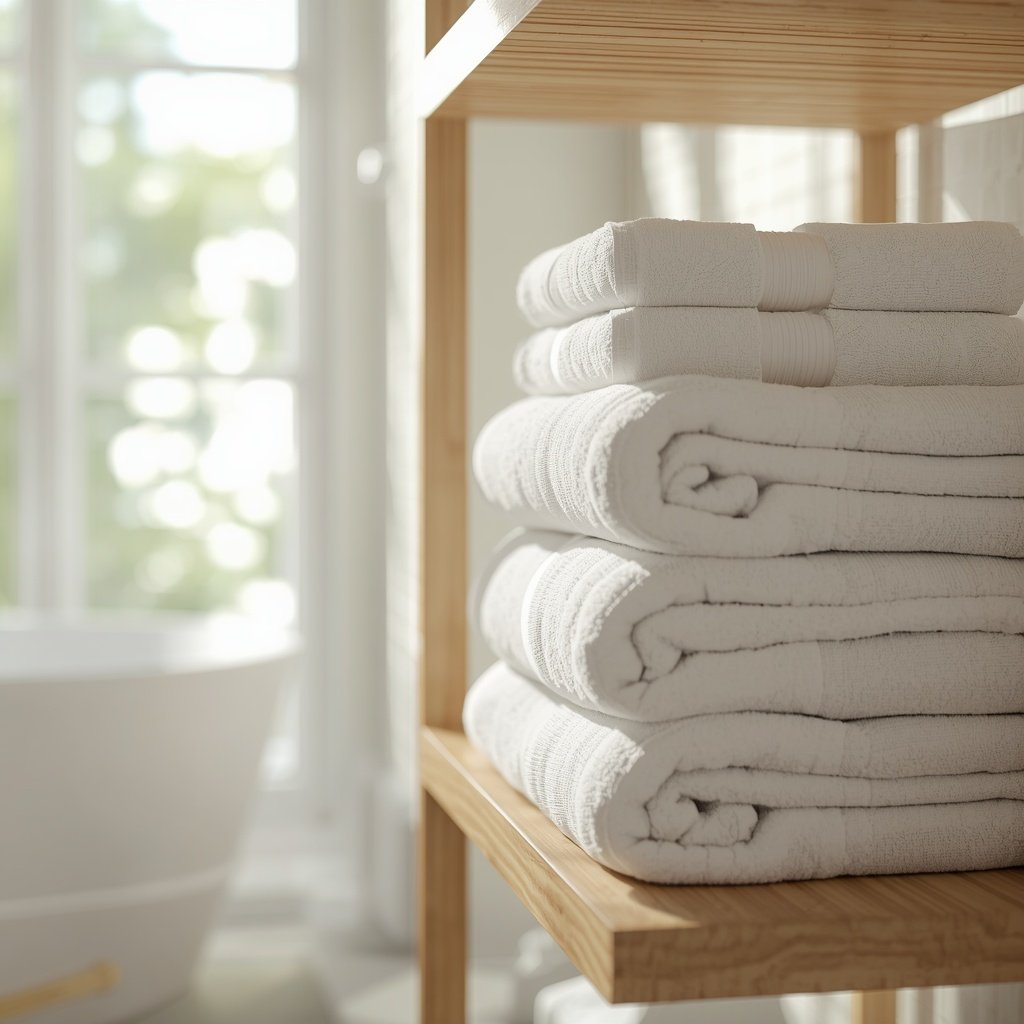
There’s nothing quite like wrapping yourself in a soft, fluffy towel after a shower. It feels comfortable, warm, and a little bit luxurious. However, many people notice that their towels gradually become rough, stiff, and less absorbent over time.
If you’ve ever wondered why your towels lose their softness after a few washes, you’re not alone. The good news is that keeping towels soft and fluffy isn’t difficult. With the right washing, drying, and storage habits, you can enjoy hotel-quality towels at home for years.
In this guide, we’ll explain why towels become rough, how to keep them fluffy, and the best ways to care for your bath towels, hand towels, and children’s towels.
Why Do Towels Become Hard and Rough?
Before learning how to keep towels soft, it helps to understand what causes them to lose their fluffiness.
Several factors can contribute to rough towels:
- Excess detergent build-up
- Overuse of fabric softener
- Hard water minerals
- High heat drying
- Washing towels with heavy garments
- Not shaking towels before drying
- Poor-quality towel fabrics
Over time, these factors flatten towel fibres and reduce their ability to absorb water effectively.
Choose High-Quality Towels from the Start
The quality of your towel plays a major role in how long it stays soft.
When shopping for towels, look for:
100% Cotton Towels
Cotton is naturally soft, breathable, and highly absorbent.
Popular choices include:
- Egyptian cotton towels
- Turkish cotton towels
- Combed cotton towels
- Ringspun cotton towels
These materials maintain their softness better than many synthetic alternatives.
Higher GSM Towels
GSM stands for grams per square metre.
Generally:
- 300–400 GSM = Lightweight towels
- 400–600 GSM = Standard bath towels
- 600–900 GSM = Luxury plush towels
Higher GSM towels often feel thicker and fluffier.
Wash New Towels Before First Use
New towels should always be washed before using them.
This helps:
- Remove manufacturing residues
- Improve absorbency
- Loosen towel fibres
- Enhance softness
Adding a small amount of white vinegar during the first wash can help set the fibres and improve performance.
Don’t Use Too Much Detergent
One of the biggest mistakes people make is using excessive detergent.
More detergent doesn’t mean cleaner towels.
In fact, detergent residue can become trapped within towel fibres, causing them to feel stiff and rough.
Best Practice
- Use the recommended detergent amount
- Reduce detergent if using a high-efficiency washing machine
- Run an extra rinse cycle occasionally
Your towels will feel softer and remain more absorbent.
Avoid Fabric Softener
It sounds surprising, but fabric softener can actually make towels less fluffy over time.
Fabric softeners leave a coating on the fibres that:
- Reduces absorbency
- Causes build-up
- Flattens towel loops
Although towels may initially feel softer, repeated use often leads to reduced performance.
A Better Alternative
Use white vinegar occasionally during the rinse cycle.
Vinegar helps remove residue, soften fibres naturally, and restore absorbency.
Don’t worry—the smell disappears completely once the towels dry.
Wash Towels Separately
Towels should ideally be washed separately from clothing.
Heavy garments such as jeans, jackets, and hoodies can:
- Damage towel fibres
- Cause friction
- Reduce fluffiness
Washing towels together allows them to circulate properly and receive a more thorough clean.
Use the Correct Water Temperature
Water temperature affects both cleanliness and towel lifespan.
Warm Water
Warm water is ideal for most towel washes.
It helps remove:
- Dirt
- Oils
- Sweat
- Bacteria
without damaging the fibres.
Hot Water
Occasional hot washes can help sanitise towels, especially in family households.
However, frequent hot washing may gradually weaken cotton fibres.
Always follow the care label instructions.
Shake Towels Before Drying
This simple trick makes a huge difference.
After washing, give each towel a quick shake before placing it in the dryer or on the washing line.
Shaking helps:
- Separate fibres
- Reduce stiffness
- Improve airflow
- Increase fluffiness
Many hotels use this technique to maintain plush towels.
Don’t Overload the Dryer
Towels need room to move during drying.
An overloaded tumble dryer prevents air circulation and can leave towels feeling dense and flat.
For best results:
- Dry medium-sized loads
- Avoid tightly packed drums
- Remove towels promptly once dry
This helps maintain their soft texture.
Use Dryer Balls for Extra Fluffiness
Dryer balls are an excellent alternative to fabric softener.
As they bounce around during the drying cycle, they:
- Lift towel fibres
- Improve airflow
- Reduce drying time
- Create a fluffier finish
Wool dryer balls are particularly popular for natural towel care.
Avoid Overdrying Towels
Too much heat can damage cotton fibres.
When towels become overdried, they often feel rough and scratchy.
Instead:
- Use medium heat settings
- Remove towels while slightly warm
- Fold them immediately after drying
This helps preserve softness and extend towel lifespan.
Air Dry Towels Properly
If you prefer line drying, proper airflow is essential.
Best Practices
- Hang towels fully open
- Avoid folding them over multiple times
- Allow sufficient space between towels
- Dry outdoors when weather permits
Fresh outdoor air can naturally soften towels and leave them smelling clean.
Deal with Hard Water Problems
Hard water is a common cause of stiff towels.
Minerals such as calcium and magnesium build up inside towel fibres over time.
Signs of Hard Water Build-Up
- Towels feel crunchy
- Reduced absorbency
- Dull appearance
- Stiff texture
How to Fix It
Try washing towels with:
- White vinegar
- Water softening products
- Reduced detergent amounts
This helps remove mineral deposits and restore softness.
Refresh Towels Naturally
Even well-maintained towels occasionally need a deep refresh.
Every few months:
Vinegar Wash
Run a wash cycle using:
- Hot water
- One cup of white vinegar
- No detergent
Baking Soda Wash
Follow with another cycle using:
- Half a cup of baking soda
- Warm water
This removes residue and revives towel fibres.
Store Towels Correctly
Storage affects towel freshness and softness too.
Always ensure towels are completely dry before storing them.
Ideal Storage Tips
- Use a dry linen cupboard
- Avoid overcrowding shelves
- Fold towels neatly
- Allow air circulation
Damp storage conditions can lead to unpleasant odours and mildew.
Common Towel Care Mistakes to Avoid
Avoid these common habits if you want soft, fluffy towels:
- Using too much detergent
- Adding fabric softener every wash
- Overloading the washing machine
- Drying on very high heat
- Storing damp towels
- Washing towels with heavy clothing
- Ignoring care label instructions
Small adjustments can dramatically improve towel quality.
How Often Should You Wash Towels?
Keeping towels clean is just as important as keeping them soft.
Bath Towels
Wash every 3–4 uses.
Hand Towels
Wash every 2–3 days.
Face Towels
Wash daily or every other day.
Children’s Towels
Wash more frequently if used heavily or shared.
Regular washing prevents bacteria build-up while maintaining freshness.
Frequently Asked Questions
1. Why are my towels hard after washing?
The most common causes are detergent residue, hard water minerals, and overdrying.
2. Does vinegar really soften towels?
Yes. White vinegar helps remove detergent and mineral build-up, restoring softness naturally.
3. Should I use fabric softener on towels?
It’s generally best to avoid it. Fabric softener can reduce absorbency and flatten towel fibres.
4. How can I make old towels fluffy again?
Try a deep-clean wash using vinegar followed by baking soda to remove residue and revive fibres.
5. How long should quality towels last?
With proper care, premium cotton towels can remain soft and effective for several years.
Conclusion
Keeping towels soft and fluffy isn’t about expensive products or complicated routines. Most of the time, simple habits make the biggest difference.
Using the right amount of detergent, avoiding fabric softener, drying towels correctly, and choosing high-quality cotton towels can help maintain that fresh, luxurious feel wash after wash.
Whether you’re caring for family bath towels, guest towels, or children’s towels, proper maintenance ensures they stay absorbent, comfortable, and long-lasting. A little extra care today can keep your towels feeling as soft as the day you bought them.
